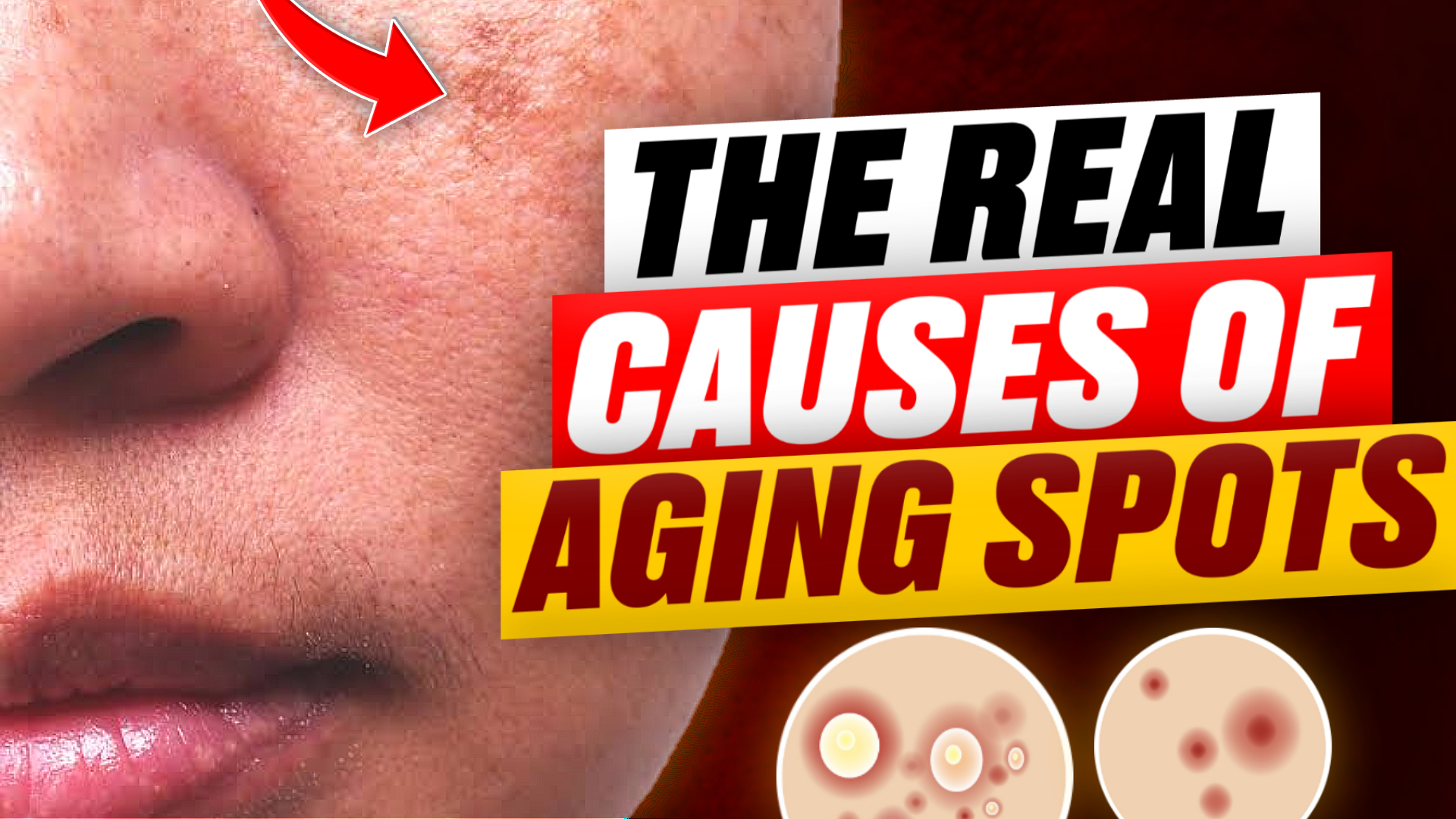
Aging spots, also known as liver spots or sunspots, are a common sign of getting older that many people experience. These flat, brown, or black spots appear on areas of the skin that have been exposed to the sun over the years. While they’re usually harmless, aging spots can be a source of cosmetic concern for many. But what really causes these spots to appear? In this video, we’ll dive deep into the science behind aging spots, exploring the various factors that contribute to their formation and what they mean for our overall health.
The Sun: The Primary Culprit
When it comes to aging spots, the sun is undoubtedly the main offender. Ultraviolet (UV) rays from the sun play a significant role in the formation of these spots. But how exactly does this happen?
Our skin contains cells called melanocytes. These cells produce melanin, the pigment that gives our skin its color. When our skin is exposed to UV light, melanocytes kick into high gear, producing more melanin as a protective measure. This is why we tan when we spend time in the sun.
However, after years of sun exposure, some melanocytes can go into overdrive, producing excess melanin in certain areas. This excess melanin accumulates and forms what we see as aging spots. It’s like your skin is creating its own little umbrellas to protect itself from the sun, but these umbrellas end up becoming permanent fixtures.
The Role of Age in Aging Spots
While sun exposure is the primary cause, age itself plays a crucial role in the development of these spots – hence the name “aging spots.” As we get older, our skin undergoes various changes that make it more susceptible to developing these marks.
One significant change is that our skin becomes thinner as we age. The epidermis, which is the outermost layer of our skin, gradually becomes less thick over time. This thinning makes it easier for UV rays to penetrate deeper into the skin, potentially causing more damage and leading to the formation of aging spots.
Genetics and Aging Spots
While sun exposure and age are major factors, genetics also play a role in the development of aging spots. Some people are simply more prone to developing these spots due to their genetic makeup.
If your parents or grandparents developed lots of aging spots, you might be more likely to develop them too. This genetic predisposition could be due to a variety of factors. For instance, some people might genetically have more active melanocytes, making them more likely to produce excess melanin in response to sun exposure.
Hormonal Changes and Aging Spots
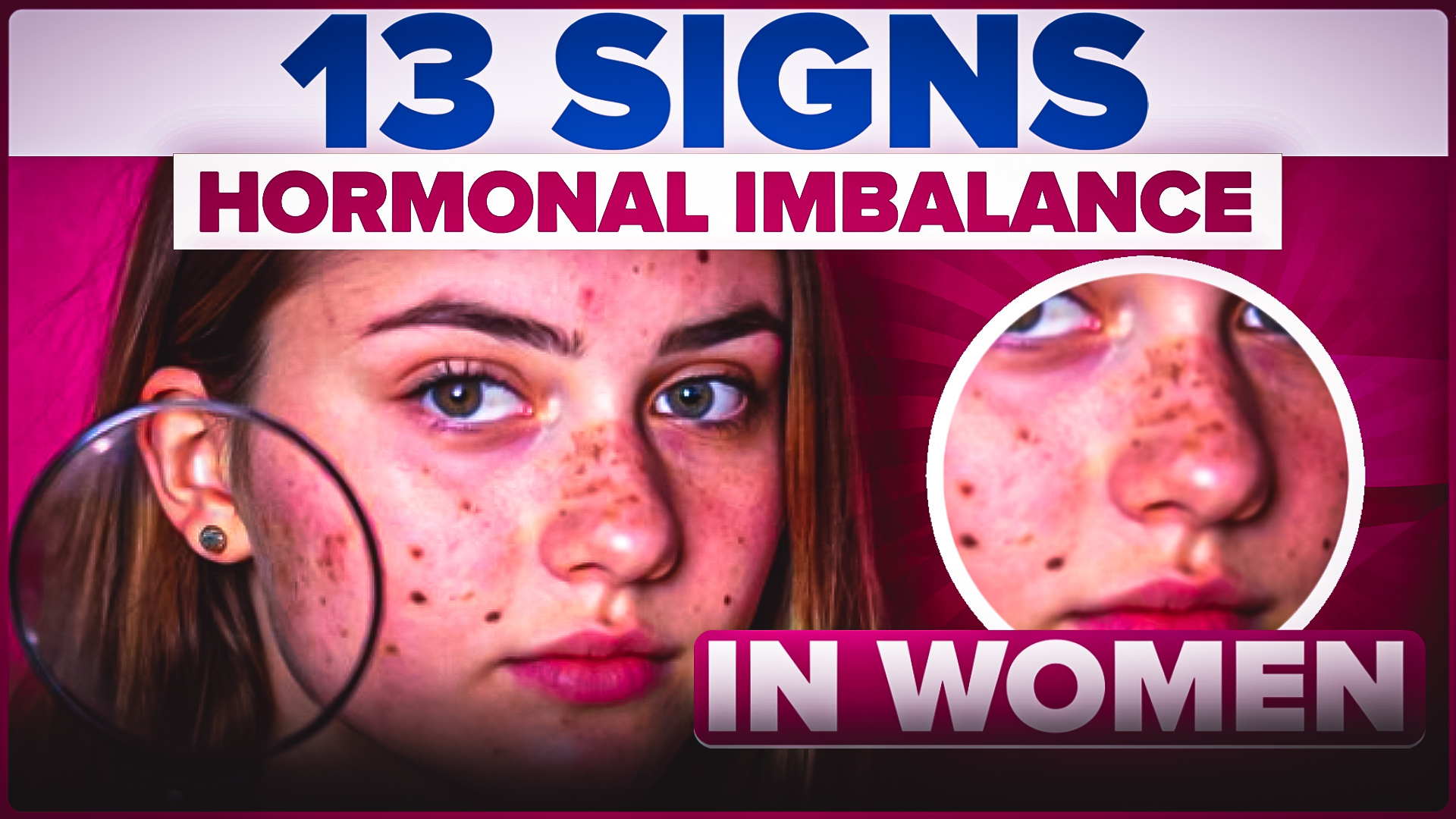
Hormones, those chemical messengers in our body, can also influence the development of aging spots. Hormonal changes, particularly those associated with aging, pregnancy, and certain medical conditions, can affect melanin production in the skin.
For instance, during pregnancy, many women experience a condition called melasma, which causes dark patches to appear on the face. While not exactly the same as aging spots, melasma is also caused by an overproduction of melanin and can be triggered by hormonal changes.
The Impact of Free Radicals
Free radicals are unstable molecules that can damage cells in our body, including skin cells. They’re produced naturally in our body as a byproduct of various processes, but they can also come from external sources like pollution, cigarette smoke, and yes, UV radiation from the sun.
When it comes to aging spots, free radicals can play a significant role. They can damage the DNA in skin cells, including melanocytes. This damage can lead to changes in how these cells function, potentially causing them to overproduce melanin.
The Role of Inflammation
Inflammation is our body’s natural response to harm, but chronic inflammation can contribute to various skin issues, including the formation of aging spots.
When our skin is exposed to UV radiation, it triggers an inflammatory response. This is part of the skin’s attempt to protect itself and repair damage. However, repeated exposure and chronic inflammation can lead to changes in melanocyte behavior.
Environmental Factors Beyond the Sun
While the sun is the primary environmental factor in the formation of aging spots, other environmental elements can play a role too.
Pollution, for instance, can contribute to the development of aging spots. Pollutants in the air can generate free radicals on the surface of the skin, leading to oxidative stress. This stress can damage skin cells and potentially lead to changes in pigmentation.
The Connection Between Lifestyle and Aging Spots
Our daily habits and lifestyle choices can significantly influence the development of aging spots. While we’ve discussed sun exposure extensively, other lifestyle factors can also play a role.
Smoking, for example, is known to accelerate skin aging in general. It can lead to the formation of free radicals and reduce the skin’s ability to repair itself. While smoking doesn’t directly cause aging spots, it can make the skin more vulnerable to UV damage and other factors that contribute to their formation.
Diet can also play a role. A diet rich in antioxidants can help protect the skin from free radical damage, potentially reducing the risk of aging spots. On the other hand, a diet high in processed foods and sugar may contribute to inflammation in the body, which could potentially exacerbate skin issues.
Medical Conditions and Aging Spots
Certain medical conditions can increase the likelihood of developing aging spots or conditions that look similar to aging spots.
For instance, people with a history of skin cancer or precancerous lesions may be more prone to developing aging spots. This is likely because the factors that increase the risk of skin cancer (like sun exposure and genetic predisposition) also increase the risk of aging spots.
The Psychological Impact of Aging Spots
While aging spots are typically harmless from a physical health perspective, their psychological impact shouldn’t be underestimated. For many people, the appearance of aging spots can be distressing, serving as a visible reminder of the aging process.
These spots can affect self-esteem and body image, particularly in cultures that place a high value on youthful appearance. Some people may feel self-conscious about their aging spots, leading them to cover up more or avoid certain social situations.
## Prevention and Management of Aging Spots
Now that we understand the causes of aging spots, what can we do about them? While we can’t turn back time or change our genetics, there are several steps we can take to prevent and manage aging spots.
Sun protection is, unsurprisingly, at the top of the list. Using a broad-spectrum sunscreen with a high SPF, wearing protective clothing, and avoiding peak sun hours can all help reduce the likelihood of developing aging spots.
A healthy lifestyle can also play a role. Eating a diet rich in antioxidants, staying hydrated, avoiding smoking, and managing stress can all contribute to overall skin health.
Conclusion: Embracing the Journey of Aging
Aging spots, while often seen as a cosmetic concern, tell a story of our lives. They’re a testament to the years we’ve lived, the sun we’ve enjoyed, and the experiences we’ve had. While it’s natural to want to prevent or reduce them, it’s also worth considering them as part of our unique journey through life.
Understanding the causes of aging spots empowers us to make informed decisions about our skin health. Whether that means being more diligent about sun protection, adjusting our lifestyle habits, or seeking treatment for existing spots, knowledge is the first step.