Best and Worst Foods for Asthma: What You Need to Know!

Living with asthma can be challenging, but did you know that the foods you eat can either help or hurt your condition? In this comprehensive guide, we’ll explore how your diet choices can impact your asthma symptoms and overall respiratory health. Whether you’re dealing with asthma yourself or caring for someone who does, understanding the relationship between food and asthma is crucial for better symptom management.

Understanding the Connection Between Food and Asthma

The food we eat plays a vital role in our body’s inflammatory responses. Since asthma is an inflammatory condition affecting the airways, it makes perfect sense that our diet choices can influence how well we breathe. Some foods can help reduce inflammation in our airways, while others might trigger inflammation and worsen asthma symptoms.

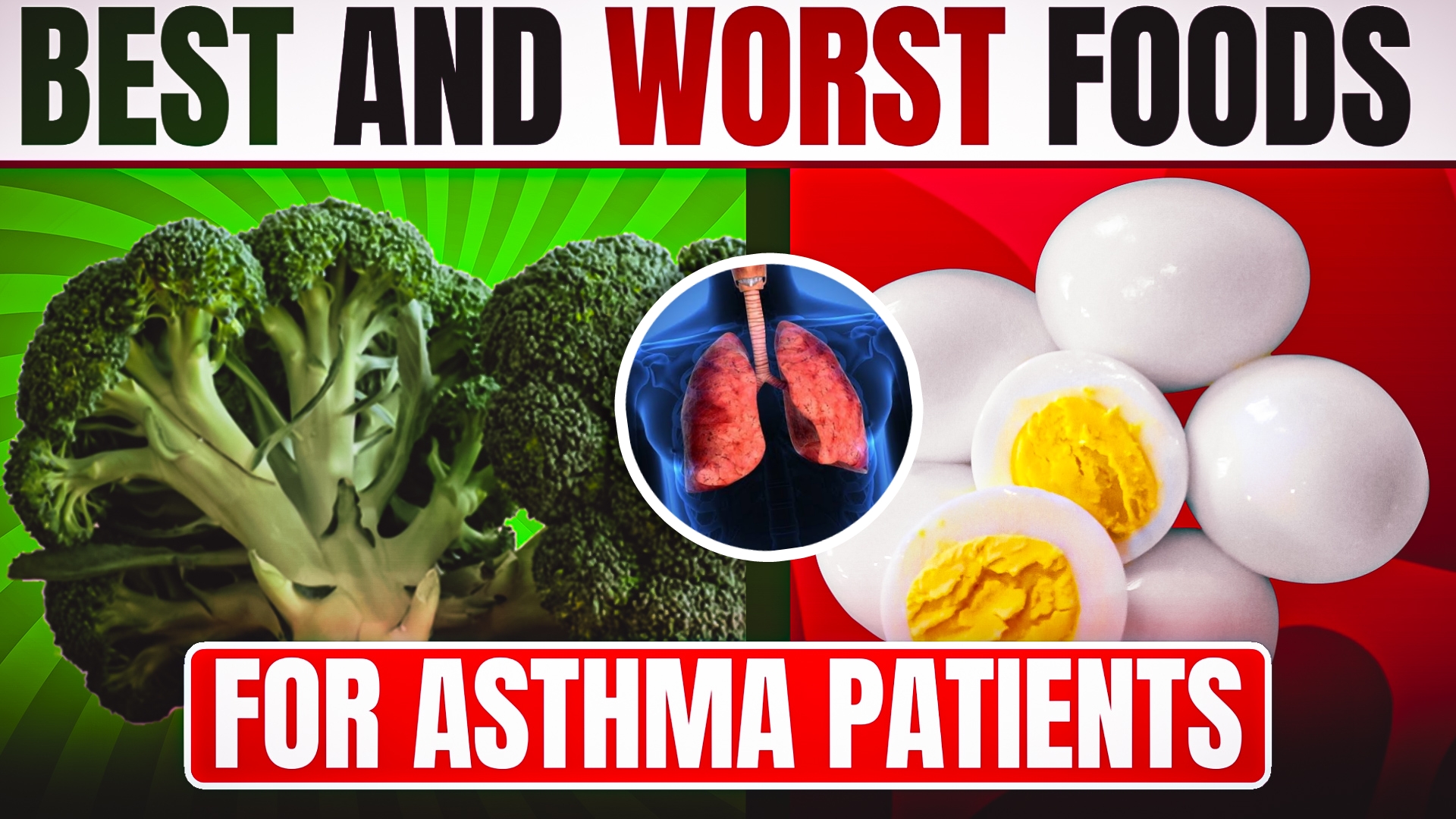
Best Foods for Asthma Management

Let’s start with the good news – there are many delicious foods that can help you manage your asthma better. These foods generally work by reducing inflammation in your body and boosting your immune system.

Fruits and Vegetables Rich in Vitamin C

Vitamin C is a powerful antioxidant that can help your lungs function better. Oranges, strawberries, kiwis, and bell peppers are excellent sources of vitamin C. These fruits and vegetables help protect your airways from damage caused by pollution and other environmental triggers. Many people with asthma have reported feeling better after increasing their vitamin C intake through natural food sources.

Fatty Fish and Omega-3s

Fish like salmon, mackerel, and sardines are packed with omega-3 fatty acids. These healthy fats have amazing anti-inflammatory properties that can help reduce airway inflammation. Try to include fatty fish in your meals at least twice a week. If you don’t eat fish, you can get similar benefits from plant-based sources like flaxseeds and chia seeds.

Ginger and Turmeric

These golden spices have been used for centuries in traditional medicine, and modern science backs up their benefits for asthma sufferers. Both ginger and turmeric contain natural compounds that help reduce inflammation in the airways. Adding these spices to your daily cooking or enjoying them in warm tea can make a real difference in managing asthma symptoms.

Garlic and Onions

These kitchen staples do more than just add flavor to your meals. Garlic and onions contain compounds that can help your body fight inflammation and boost your immune system. They’re easy to add to almost any savory dish and can help protect your airways from irritation.

Green Leafy Vegetables

Spinach, kale, and other leafy greens are packed with nutrients that support lung health. They’re rich in antioxidants and anti-inflammatory compounds that can help reduce asthma symptoms. These vegetables also provide magnesium, which has been shown to help relax airway muscles.

Worst Foods for Asthma: What to Avoid

Now, let’s talk about the foods that might make your asthma worse. Being aware of these potential triggers can help you make better dietary choices.

Processed Foods

Highly processed foods often contain artificial preservatives, colors, and flavors that can trigger asthma symptoms in some people. These foods are typically high in unhealthy fats and added sugars, which can increase inflammation in your body. Common processed foods to watch out for include packaged snacks, frozen meals, and sugary cereals.

Sulfites in Foods and Drinks

Sulfites are preservatives found in many foods and drinks, including dried fruits, wine, and some processed foods. These compounds can trigger asthma symptoms in sensitive individuals. If you notice your asthma getting worse after consuming foods containing sulfites, it’s best to avoid them altogether.

Gas-Producing Foods

While beans, lentils, and certain vegetables are generally healthy, they can cause bloating and gas in some people. This extra pressure on your diaphragm might make breathing more difficult if you have asthma. Pay attention to how these foods affect you personally, and adjust your diet accordingly.

Salt and Sodium

Too much salt in your diet can increase inflammation and make your airways more sensitive to triggers. Many people with asthma find that reducing their salt intake helps improve their symptoms. Be especially careful with hidden sources of sodium in processed and restaurant foods.

Common Food Allergens

If you have food allergies along with asthma, certain foods can trigger both allergic reactions and asthma symptoms. Common allergens include:
– Peanuts and tree nuts
– Dairy products
– Eggs
– Shellfish
– Wheat
– Soy

It’s important to work with your healthcare provider to identify any food allergies and create a safe eating plan.

The Role of Diet in Asthma Prevention

Research suggests that following a healthy diet might help prevent asthma in children and adults. A diet rich in fruits, vegetables, and whole grains, while low in processed foods and added sugars, can help protect against developing asthma or reduce the severity of symptoms in those who already have it.

Maintaining a Healthy Weight

Being overweight or obese can make asthma symptoms worse and make it harder to control the condition. Extra weight puts pressure on your lungs and can increase inflammation throughout your body. Following a balanced diet not only helps with asthma management but also supports healthy weight maintenance.

Hydration Matters

Staying well-hydrated is crucial for people with asthma. Water helps keep the mucus in your airways thin, making it easier to breathe. Aim to drink plenty of water throughout the day, especially during exercise or in hot weather.

Tips for Making Dietary Changes

Making changes to your diet doesn’t have to be overwhelming. Here are some practical tips:

Start slowly by incorporating one or two beneficial foods into your diet each week. Keep a food diary to track how different foods affect your asthma symptoms. This can help you identify personal triggers and beneficial foods.

Plan your meals ahead of time to ensure you have healthy options available. Learn to read food labels carefully to avoid hidden triggers. Consider cooking more meals at home where you can control the ingredients.

Working with Healthcare Providers

While diet plays an important role in asthma management, it shouldn’t replace your prescribed medications. Work with your healthcare provider to develop a comprehensive asthma management plan that includes both dietary considerations and appropriate medical treatment.

Special Considerations for Children

Children with asthma may have different dietary needs and restrictions. It’s important to ensure they get proper nutrition while avoiding trigger foods. Make healthy eating fun and engaging for kids by involving them in meal planning and preparation.

The Impact of Seasonal Foods

Different seasons bring different foods, and some seasonal items might affect your asthma. For example, certain fresh fruits and vegetables might cause oral allergy syndrome in some people, particularly during pollen season. Being aware of these connections can help you make better food choices throughout the year.

Conclusion

Managing asthma through diet is about making informed choices that work for your individual situation. The best foods for asthma are those rich in anti-inflammatory compounds, antioxidants, and essential nutrients that support lung health. These include fruits, vegetables, fatty fish, and anti-inflammatory spices. On the other hand, processed foods, sulfites, and common allergens might trigger or worsen asthma symptoms.

Remember that everyone’s asthma triggers are different, and what works for one person might not work for another. Pay attention to how different foods affect your symptoms and adjust your diet accordingly. Keep in mind that dietary changes should complement, not replace, your prescribed asthma medications and treatment plan.

Latest Articles

1733126041112
Clean Your Arteries in 10 Days with THIS Powerful Remedy!
1728891994332
12 Strange Signs Your Body is Craving Salt - Don’t Ignore These Symptoms!
1728893227750
7 Real Reasons You CAN'T Sleep - Uncover the Surprising Causes!
1728894412501
12 Signs Your Brain Is NOT Healthy - Don't Ignore These Warning Signals!
1728727165936
The Real Causes of Gout and Uric Acid Build-up You Must Know!
1728896448720
Top 6 Oils to Help Heal Nerve Damage Naturally
1728899392864
The Real Causes of Aging Spots and How to Prevent Them!