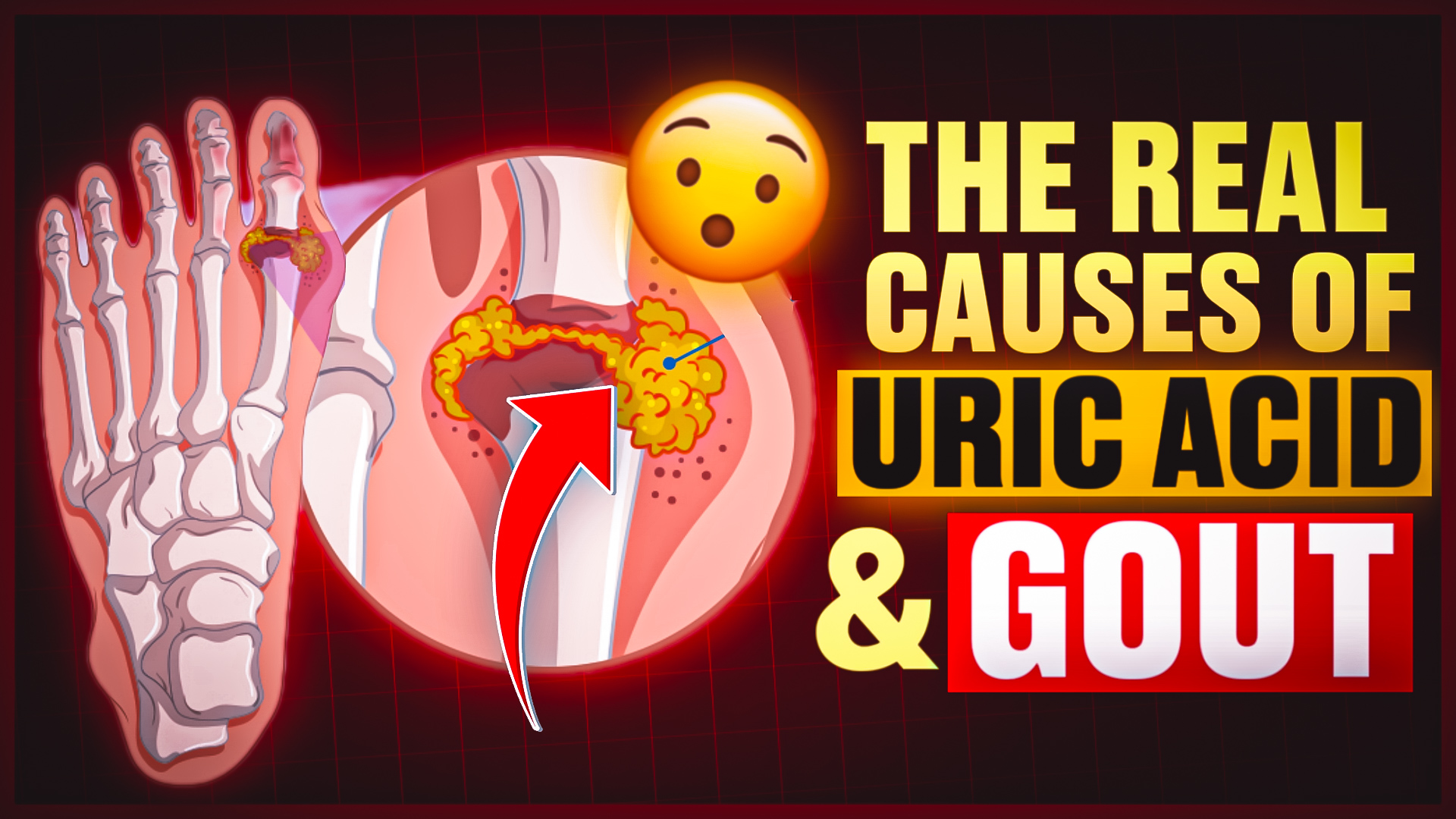
Gout is a painful form of arthritis that has troubled humans for centuries. It’s often associated with rich foods and overindulgence, but there’s much more to this condition than meets the eye. In this video we’ll dive deep into the real causes of gout and uric acid build-up, exploring the science behind this painful condition and uncovering some surprising factors that might be increasing your risk.
What is Gout?
Before we delve into the causes, let’s first understand what gout really is. Gout is a type of arthritis caused by the build-up of uric acid crystals in your joints. These tiny, needle-like crystals can cause sudden, severe attacks of pain, swelling, redness, and tenderness. While gout most commonly affects the big toe, it can occur in any joint in your body.
Understanding Uric Acid
At the heart of gout is uric acid. But what exactly is uric acid, and why does it build up in our bodies? Uric acid is a waste product created when our bodies break down purines. Purines are natural substances found in all of our body’s cells and in many foods we eat.
Normally, uric acid dissolves in our blood, passes through our kidneys, and leaves our body in urine. But sometimes, our bodies either produce too much uric acid or our kidneys can’t get rid of it efficiently enough. When this happens, uric acid can build up in the blood, a condition called hyperuricemia.
The Role of Diet in Gout
Now that we understand the basics, let’s look at one of the most well-known causes of gout: diet. For centuries, gout has been associated with rich foods and excess, earning it the nickname “the disease of kings.” While diet isn’t the only factor in gout, it certainly plays a significant role.
Certain foods are high in purines, which, as we’ve learned, break down into uric acid. Eating a diet rich in these foods can increase your risk of developing gout. Some high-purine foods include:
– Red meat and organ meats (like liver and kidneys) – Seafood, especially shellfish like shrimp and lobster – Alcoholic beverages, particularly beer – Sugary drinks and foods high in fructose
Obesity and Gout
While diet is important, it’s not just about what you eat, but also how much. Obesity is a significant risk factor for gout. Excess body weight can lead to higher production of uric acid and make it harder for your kidneys to eliminate it efficiently.
Fat cells produce more uric acid than muscle cells. So, the more fat you carry, especially around your belly, the more uric acid your body produces. Additionally, obesity often goes hand-in-hand with other conditions that increase gout risk, such as high blood pressure and diabetes.
Genetic Factors in Gout
While lifestyle factors like diet and weight play a big role in gout, your genes also have a say. Some people are simply more prone to developing gout due to their genetic makeup.
Certain genetic variations can affect how your body produces or eliminates uric acid. For example, some people may have genes that make their kidneys less efficient at excreting uric acid. Others might have genes that increase uric acid production.
The Impact of Age and Gender
As we age, our risk of developing gout increases. This is partly because our kidneys become less efficient at eliminating uric acid as we get older. Additionally, older adults are more likely to have other health conditions or take medications that can increase gout risk.
Gender also plays a role. Men are more likely to develop gout than women, especially in middle age. This is thought to be due to naturally higher uric acid levels in men. However, after menopause, women’s risk increases and begins to catch up with men’s.
Medical Conditions and Gout
Several medical conditions can increase your risk of developing gout. These include:
1. Kidney disease: Your kidneys play a crucial role in eliminating uric acid from your body. If they’re not functioning properly, uric acid can build up in your blood.
2. High blood pressure: Hypertension often goes hand-in-hand with gout. The connection isn’t entirely clear, but it may be related to reduced kidney function or the effects of some blood pressure medications.
3. Diabetes: People with diabetes are at higher risk of gout. This may be due to higher levels of uric acid production or reduced kidney function.
4. Metabolic syndrome: This cluster of conditions (including high blood pressure, high blood sugar, abnormal cholesterol levels, and excess body fat around the waist) is strongly associated with an increased risk of gout.
Having these conditions doesn’t mean you’ll definitely develop gout, but it does increase your risk. Managing these conditions effectively can help reduce your gout risk as well.
Medications and Gout Risk
Certain medications can affect uric acid levels in your body and potentially increase your risk of gout. Some of these include:
1. Diuretics: Often used to treat high blood pressure, these “water pills” can increase uric acid levels in your blood.
2. Low-dose aspirin: While beneficial for heart health in some people, low-dose aspirin can raise uric acid levels.
3. Some immunosuppressants: Medications used to prevent rejection in organ transplant patients can increase gout risk.
4. Niacin: Used to treat high cholesterol, niacin can also raise uric acid levels.
If you’re taking any of these medications and are concerned about gout, talk to your doctor. Never stop taking prescribed medications without consulting your healthcare provider first.
The Role of Alcohol in Gout
We’ve mentioned alcohol briefly in the diet section, but it deserves a closer look. Alcohol, especially beer, can significantly increase your risk of gout. There are several reasons for this:
1. Alcohol is high in purines, especially beer, which contains brewer’s yeast.
2. Alcohol can increase uric acid production in your body.
3. Alcohol can make it harder for your kidneys to eliminate uric acid.
4. Alcoholic beverages are often high in calories, which can contribute to weight gain.
While all types of alcohol can increase gout risk, beer seems to be the biggest culprit, followed by spirits. Interestingly, moderate wine consumption doesn’t seem to increase gout risk significantly in most studies.
Dehydration and Gout
Staying well-hydrated is crucial for many aspects of health, including gout prevention. When you’re dehydrated, your body can’t efficiently flush out uric acid, leading to higher concentrations in your blood.
Moreover, dehydration can trigger the release of stress hormones, which can lead to increased uric acid production. It’s a double whammy that can significantly increase your risk of a gout attack.
Aim to drink plenty of water throughout the day. How much is enough? While individual needs vary, a good rule of thumb is to drink enough so that your urine is pale yellow. If it’s dark yellow, you probably need to drink more.
Rapid Weight Loss and Gout
While maintaining a healthy weight is important for gout prevention, losing weight too quickly can actually trigger a gout attack. When you lose weight rapidly, your body breaks down tissues, releasing purines that are then converted to uric acid.
Stress and Gout
While not a direct cause of gout, stress can play a role in triggering attacks. Stress can lead to behaviors that increase gout risk, such as poor diet choices, increased alcohol consumption, or disrupted sleep patterns.
Conclusion: A Multifaceted Condition
As we’ve seen, gout is a complex condition with many potential causes and risk factors. From diet and lifestyle choices to genetic predisposition and medical conditions, numerous factors can contribute to uric acid build-up and gout development.